Transforming Your Enterprise With TOGAF
Structured Architecture. Real Business Impact.
Open Group - TOGAFWhat is TOGAF?
TOGAF (The Open Group Architecture Framework) is a globally recognized framework for enterprise architecture. It provides a comprehensive approach for designing, planning, implementing, and governing enterprise information architecture. Organizations worldwide use TOGAF to align IT strategy with business goals, reduce costs, and accelerate digital transformation, delivering measurable business value through disciplined, repeatable architecture practices.
Why Apply TOGAF?
Align IT with Business Goals
Maximize value by connecting technology initiatives directly to strategic business priorities, ensuring every IT investment has a clear business case.
Accelerate Digital Transformation
Use structured, repeatable methods to modernize systems and adopt new technologies faster, with reduced risk and greater organizational confidence.
Improve Governance and Control
Establish clear oversight processes to manage change, enforce standards, and reduce risk across the entire architecture lifecycle.
Reduce Complexity
Standardize architecture practices across teams and business units for smoother collaboration, lower technical debt, and faster onboarding.
Leverage Industry Best Practices
Benefit from a globally recognized framework trusted by thousands of enterprises, backed by The Open Group and decades of real-world refinement.
Strengthen Communication
Provide a common language and shared vocabulary for stakeholders across business and IT, enabling clearer collaboration and fewer misalignments.
The ADM Cycle
The Architecture Development Method (ADM) is the core of TOGAF, an iterative cycle of phases that guides architects from initial planning through delivery and ongoing governance.
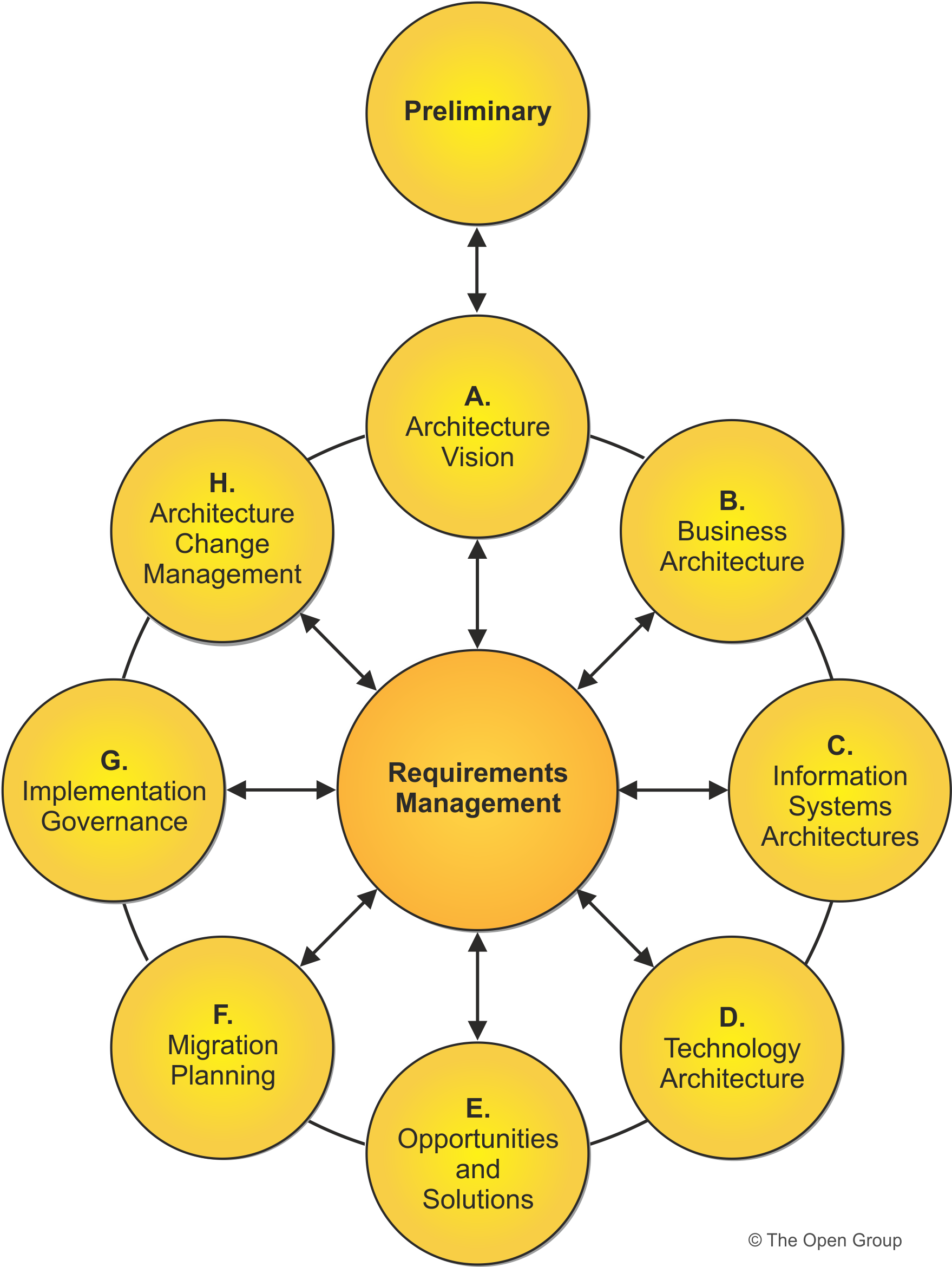
Figure 1: The TOGAF Architecture Development Method (ADM) Cycle
ADM Phases
Preliminary Phase
Establish architecture capability and define principles.
Prepares the organization for a successful architecture project. Defines architecture principles, governance frameworks, selects tools, and secures executive commitment. Sets up the Architecture Repository and establishes the enterprise continuum.
Architecture Vision
Define scope, vision, and stakeholder value proposition.
Creates a high-level vision of the solution concept and value to the organization. Identifies stakeholders, develops the Statement of Architecture Work, and obtains formal approval to proceed. Sets the foundation for all subsequent phases.
Business Architecture
Model business processes and organizational structure.
Develops the Target Business Architecture based on the Architecture Vision. Defines business strategy, governance, organization structure, and key business processes. Identifies gaps between baseline and target states.
Information Systems Architecture
Define data and application architectures.
Develops target Data and Application Architectures to support the Business Architecture. Covers data entities, business systems integration, and the application portfolio that enables core business processes.
Technology Architecture
Specify technology components, platforms, and standards.
Defines the hardware, software, and network infrastructure needed to deploy the core systems. Maps technology components to the application and data layers, and establishes technology standards and guidelines.
Opportunities & Solutions
Identify delivery vehicles and transition architectures.
Converts the architecture into actionable projects and programs. Identifies major implementation projects, defines transition architectures, and produces the Architecture Roadmap showing the path from baseline to target state.
Migration Planning
Plan the implementation roadmap and prioritize projects.
Develops a detailed Implementation and Migration Plan by prioritizing projects from the Architecture Roadmap. Ensures business value is realized incrementally and aligns with organizational change management.
Implementation Governance
Ensure architectural compliance during execution.
Monitors the implementation of projects against architecture plans, issuing Architecture Contracts and conducting compliance reviews. Ensures delivery aligns with approved architecture and identifies deviations early.
Architecture Change Management
Manage change and maintain architectural integrity over time.
Establishes procedures for managing changes to the new architecture in a controlled and governed manner. Evaluates change requests, determines their impact, and triggers new ADM cycles when significant transformation is needed.
Requirements Management
Continuously manage and prioritize architecture requirements.
The central process operating across all ADM phases. Captures, stores, manages, and prioritizes architecture requirements from stakeholders, ensuring they are fed into the appropriate phase and reflected in all architecture deliverables.
Key Takeaways
- TOGAF is iterative - The ADM cycle can be repeated and adapted to any scale of change, from small system upgrades to full enterprise transformations.
- Business-first thinking - Every phase traces back to business outcomes, ensuring architecture stays relevant and value-driven.
- Requirements Management is central - It runs across all phases, keeping stakeholder needs at the heart of every architecture decision.
- Governance enables change - Phases G and H ensure that implementation matches design and that future changes are handled in a controlled, traceable way.
- TOGAF is a framework, not a prescription - Organizations adapt it to their context, selecting the phases, deliverables, and governance models that fit their maturity and goals.